Reviewing the 1ST Grade Teacher Svg for Embroidery
As a designer who has spent years digitizing and testing files for real-world production, I approach every new 1ST Grade Teacher Svg with a critical eye. It is not enough for a design to look cute on a screen; it must hold up under the needle, survive the wash cycle, and appeal to the end customer. When I loaded this file into my software, my primary goal was to determine if it translates well from a digital graphic into a tangible, high-quality stitched product. For Etsy sellers, boutique owners, and hobbyists, understanding these nuances is the difference between a bestseller and a returned item.
First Impressions and Visual Personality
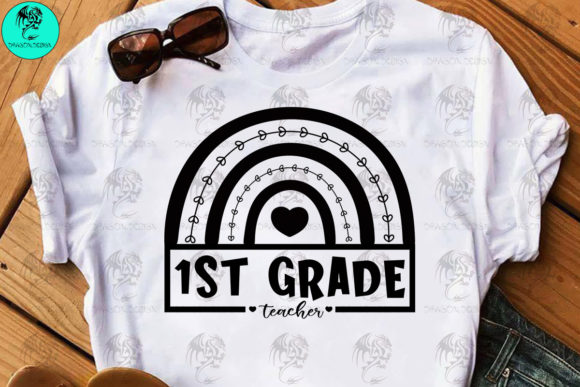
The immediate impression of the 1ST Grade Teacher Svg is one of approachable professionalism mixed with playful warmth. The layout is balanced, avoiding the clutter that often plagues educational-themed designs. From a visual standpoint, the lines are clean, which is a promising sign for embroidery. In the world of Crafts and Graphics, simplicity often translates better to stitch than complexity. The design does not rely on overly intricate details that would require microscopic precision, making it accessible for home embroiderers using standard machines.
The mood it creates is celebratory yet grounded. It feels appropriate for a teacher who takes pride in their role but maintains a fun, engaging classroom atmosphere. This visual personality makes it versatile. It is not strictly limited to the first week of school; it has the longevity to be worn throughout the academic year. For a designer, this versatility is key because it increases the potential customer base and extends the selling season beyond August and September.
Real-World Application: The Custom Tote Bag Scenario
To truly evaluate the 1ST Grade Teacher Svg, I envisioned a specific project: a custom embroidered canvas tote bag for a teacher’s appreciation gift. Canvas is a sturdy fabric, but it has a distinct texture that can challenge poorly optimized designs. I imagined placing the design centrally on the bag, using a contrasting thread color to make the text pop against the natural beige background.
In this scenario, the design’s structure matters immensely. If the lettering is too thin, it might get lost in the weave of the canvas. If the spacing is too tight, the stitches could pull the fabric, causing puckering. Upon closer inspection of the vector paths, the 1ST Grade Teacher Svg appears to have sufficient weight in its strokes. This suggests that when converted into a machine embroidery design, it would likely utilize a combination of satin stitch for borders or smaller elements and fill stitch for larger areas, ensuring visibility and durability. The result would be a professional-looking handmade product that feels substantial and valuable, rather than flimsy or amateurish.
Performance Across Different Apparel and Decor
Beyond tote bags, this design shows strong potential for custom apparel. Consider a fleece sweatshirt, a staple in any teacher’s wardrobe during colder months. Fleece is thick and plush, which can swallow up fine details. However, because the 1ST Grade Teacher Svg relies on bold shapes and clear typography, it should stand out effectively against the textured surface. Using a stabilizer is crucial here to prevent the heavy fabric from distorting the stitch pattern, but the design itself is robust enough to handle the medium.
For baby embroidery projects, such as onesies or bibs for a teacher’s own children or as gifts, the scale becomes the primary concern. You would need to resize the design significantly. Here, you must check the stitch density. If the original file is dense, shrinking it for a small hoop could cause the threads to bunch up, creating a stiff, cardboard-like feel on soft baby fabric. I recommend running a test stitch on scrap fabric at the reduced size to ensure the threads lay flat and the fabric remains soft.
The design also works well for embroidered patch creation. Patches are trending in the craft business sector because they allow customers to add personalized touches to existing jackets or bags. The clean edges of the 1ST Grade Teacher Svg would lend themselves nicely to a satin stitch border, creating a crisp, finished look that mimics professional merchandise.
Technical Considerations and Potential Pitfalls
While the design is strong, there are areas where caution is necessary. Any experienced embroiderer knows that not all fabrics behave the same. When working with stretchy materials like jersey knits for t-shirts, the tension of the hoop and the stability of the backing are paramount. The 1ST Grade Teacher Svg should be paired with a cut-away stabilizer for knit fabrics to ensure the design does not warp after washing.
Another critical factor is the hoop size. Ensure that your machine’s hoop can accommodate the design at the desired scale. If you are attempting to fit this onto a curved surface, such as a cap, you must consider how the design wraps around the curve. Flat designs can distort on caps, so positioning is key. Centering the design properly and using a cap frame will help maintain the integrity of the letters and shapes.
Color choice also plays a pivotal role in the final outcome. While the SVG format allows for easy color changes in your digitizing software, remember that high contrast improves readability. A dark thread on a dark shirt will vanish. Always create a printable mockup or use your software’s preview feature to simulate different thread colors against various fabric backgrounds before stitching. This step saves time, thread, and frustration.
Commercial Value and Brand Consistency
For Etsy sellers and small shop product creators, the 1ST Grade Teacher Svg offers a reliable asset for building a cohesive brand. Consistency in design quality builds customer trust. When a buyer sees a clean, well-executed embroidery job, they perceive higher value. This design supports that perception by avoiding messy overlaps or ambiguous shapes that can look sloppy when stitched.
Furthermore, the design fits seamlessly into seasonal marketing strategies. It is ideal for holiday embroidery gifts, such as Christmas presents for educators, or back-to-school promotions. By offering this design on various items—aprons, pillow covers, tea towels—you can create a diverse product line without needing to source entirely new graphics. This efficiency is vital for maintaining profitability in a competitive market.
Practical Designer Notes for Best Results
To get the most out of this digital embroidery file, follow these practical steps:
- Test on Scrap Fabric: Never stitch directly on your final garment. Use a similar fabric scrap to check tension and alignment.
- Check Stitch Density: If you are digitizing the SVG yourself, ensure the density is appropriate for the fabric weight. Lower density for delicate fabrics, higher for sturdy canvases.
- Verify Licensing: Before selling finished products or using this in commercial embroidery projects, confirm the license terms provided with the download. Some licenses allow personal use only, while others permit commercial sales.
- Inspect Small Details: Zoom in on the vector file. Look for stray nodes or overlapping paths that could cause your machine to jump or thread break.
- Contrast is Key: Choose thread colors that contrast sharply with the fabric to ensure the design is legible from a distance.
In conclusion, the 1ST Grade Teacher Svg is a solid candidate for a variety of embroidery projects. Its clean lines and balanced composition make it forgiving for beginners while still offering enough professional polish for seasoned creative entrepreneurs. By paying attention to fabric choice, stabilization, and scaling, you can transform this digital asset into a cherished personalized gift or a profitable small business merchandise item. It is a practical, versatile addition to any designer’s library of design assets.